
-
ART DE LA TABLE
- Verres - Carafes
- accessoires cocktail
- bouchons à vin
- Chopes
- Decapsuleurs, Ouvre bouteilles
- Pichets, décanter, carafes, aiguieres, burettes , cruches
- pots à crème et lait
- Refroidisseurs
- Seaux à champagne
- Seaux à glace
- Service à thé - café, cremiers, sucriers, cafetières, théières
- shaker
- Sous verres
- sucriers
- Tastevin
- théières et cafetières
- Verres, gobelets, calices
- vin accessoire
- Service de table - Couverts
- Assiettes, Assiettes de présentation
- Coupelles, bols, corbeilles, ecuelles
- Couverts
- Cuillères
- planches à découper
- Plateaux de crudite
- Plateaux de service
- plats de service
- Portes plat pyrex
- Service de table
- Soupieres, légumiers
-
IDEES CADEAUX
- Cadeaux hommes
- Boîtes, coffrets
- Cadre photo
- cendriers
- Coupe-papier, loupes
- Encriers
- Jeux de société
- petites cloches
- Porte lettres
- porte pipe
- Porte plume
- serre livres
- Tirelires
- Vide poches
- Mesures & Temps
- Baromètres
- Boussoles
- Calendriers
- Horloges de table
- Horloges solaire
- Sabliers
- support montre a gousset
- Thermomètres
- À propos de l'éclairage
- Appliques
- Chandeliers, candelabras, bougeoirs
- Eteignoirs, mouchettes
- lampes à huile
- Lampes à pétrole
- ART NOUVEAU
- L'ENTREPRISE
- INTÉRIEURS
Home
»
L'Entreprise
»
Héritage
Étain italienne
L’histoire de l’artisanat Cosi Tabellini remonte bien loin, à 1954, lorsque le premier atelier fut fondé à Brescia, ville accueillant aujourd’hui encore l’intégralité de notre production, depuis la conception jusqu’à l’emballage. Ainsi, Cosi Tabellini est le plus ancien atelier artisanal d’Italie produisant des objets en étain.
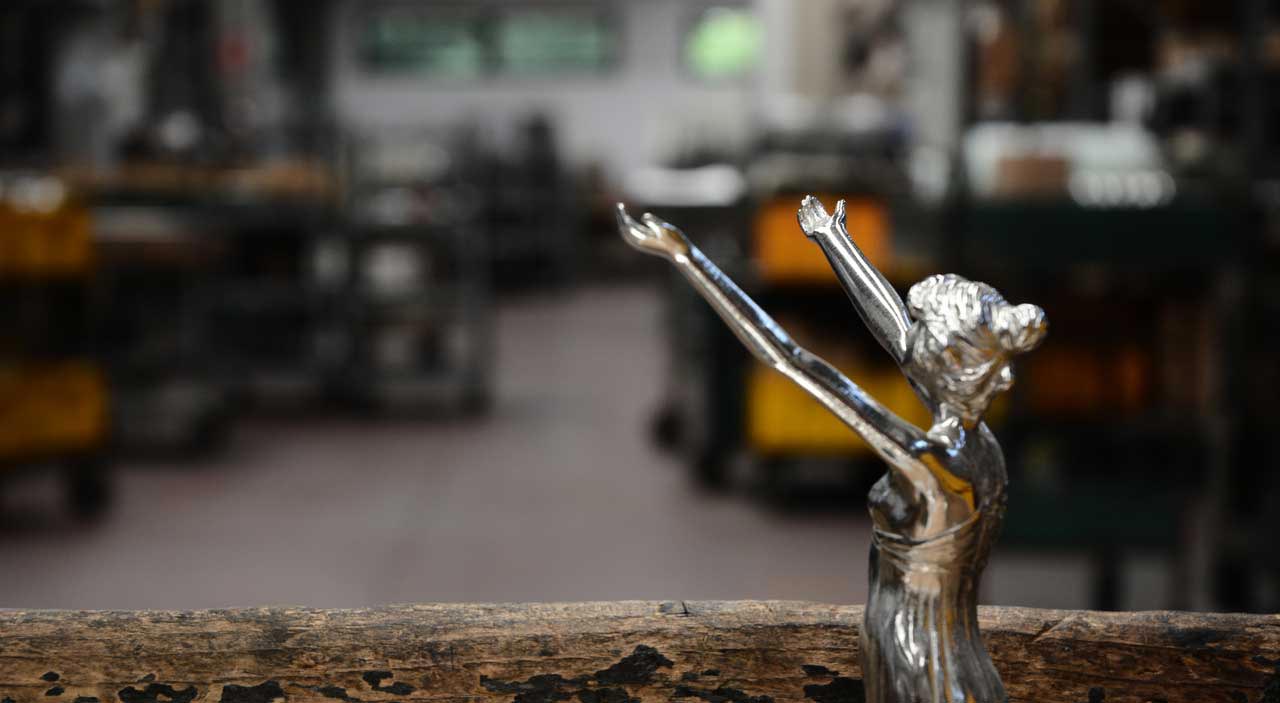
Notre production se distingue par son style sobre et élégant, qui allie au charme classique de l’étain la fraîcheur et le raffinement du verre et de la céramique.
Nos vastes collections s’adaptent à toutes les occasions et à tous les goûts, en s’étendant du style classique au style moderne, et comprenant également une large gamme d’articles de style Art nouveau et Art déco. La production est limitée en termes de quantités, afin de garantir pour chaque objet un travail et une finition à la main, répondant ainsi aux plus hautes normes de qualité.
Notre alliage d’étain respecte en outre toutes les exigences européennes en matière de législation alimentaire.
Outils de recherche • Download • Partner, Hotel & Restaurant • Emballage • Noces d’étain : 10 ans de mariage • Privacy • Droit de debit • FAQs

#cositabellini
matchpewter
#코지타벨리니
COSI TABELLINI Via Stretta 44
25128 Brescia Italia
+39 030 2002363
+39 030 2002370
e-mail: info@cositabellini.it
Vat n° IT03342520172
REA n° BS-362311
© 2016 Cosi Tabellini • CT M 95